Uncover the Rich Past and Stunning Vistas of San Antonio Missions National Historical Park
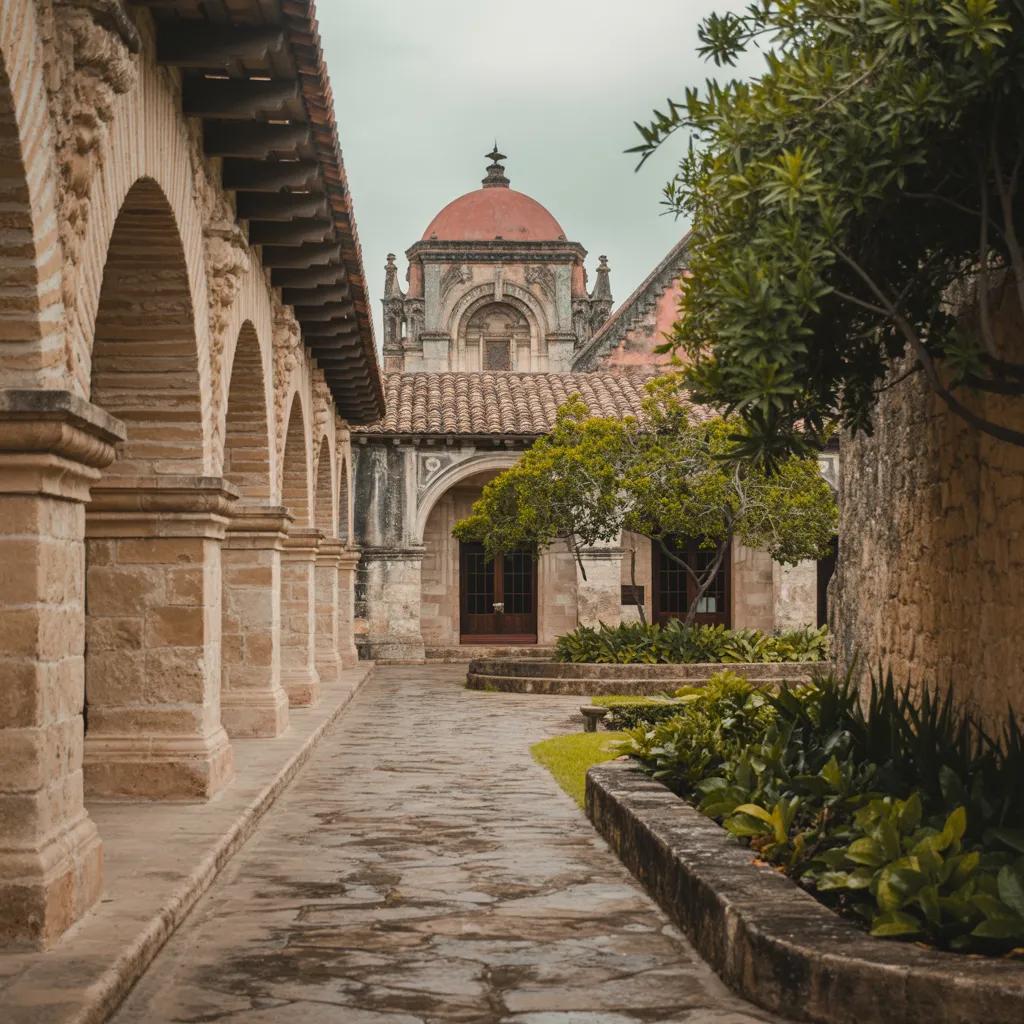
San Antonio Missions National Historical Park stands as a testament to the 18th-century Spanish settlement in North America. Its religious structures functioned not only as spiritual hubs but also as hubs of agricultural development. Guests can stroll through these ancient locations while appreciating the serene beauty of the surrounding landscapes. The park provides more than just historical content; it invites discovery and engagement. What lies beyond the historic structures and pathways may surprise those who explore deeper.
The Vital Purpose of the Mission Centers in Historical Context
Often underestimated, the San Antonio Missions exhibit considerable historical importance as essential centers of cultural exchange and religious authority in the 18th century. Founded by Spanish colonists, these missions operated as pivotal points for the spread of Christianity throughout Indigenous populations. They enabled the introduction of European farming practices, livestock, and architecture, altering local ways of life.
The outposts also became hubs for trade and community engagement, fostering relationships between varied cultural groups. Their advantageous positions along the San Antonio River enabled the creation of a network that linked different communities, advancing both economic and cultural development.
In essence, the missions played a essential function in the larger scope of Spanish colonization in North America. Today, they stand as a memorial to the multifaceted interplay of cultures, showcasing the resilience and adaptability of both the Indigenous peoples and the Spanish settlers in this traditional narrative.
A Detailed Examination of Each Mission
Each structure within the San Antonio Missions National Historical Park provides unique insights into the region's Spanish colonial past. Mission San Antonio de Padua, Mission San José y San Miguel de Aguayo, and Mission Concepción each display different architectural styles and historical narratives. By exploring these historic structures, tourists can develop a greater appreciation of their historical and cultural significance.
Mission San Antonio De Padua represents a significant part of California's historical past. Founded in 1771, this European spiritual facility had a crucial role in converting native communities. The remarkable design and preservation of the structures render it a must-see location for heritage buffs.
Mission San Antonio de Padua, one of the earliest missions in California, serves as a testament to the region's rich history and cultural heritage. Established in 1771, it was the third mission established by Spanish Franciscan missionaries. Situated in a scenic valley near the Salinas River, it displays remarkable architecture, including a charming adobe church distinguished by its unique bell tower. The mission functioned as a vital farming center, significantly affecting the local community and economy. Its meticulously maintained grounds, displaying gardens and historic structures, encourage visitors to discover the daily lives of the missionaries and Native Americans. Today, Mission San Antonio de Padua remains an vital location for understanding California's early interactions between different cultures and the spread of Christianity.
Mission San José Y San Miguel De Aguayo offers a striking testament to Spanish colonial design and cultural significance.
Dating back to 1720, Mission San José y San Miguel de Aguayo is an historic monument in Texas history, reflecting the fusion of Spanish colonial architecture with indigenous culture. Known as the "Queen of the Missions," it acted as a hub for religious, farming, and cultural activities. The mission's elaborate stone carvings, including the famous Rose Window, illustrate the artistry of that period. It also housed a granary, a convent, and featured a well-organized layout that supported community life. Mission San José was key in converting native populations to Christianity while advancing agricultural techniques. Today, it stands as a celebration of the resilience of both Spanish and indigenous peoples, attracting visitors eager to experience its rich heritage.
Mission Concepción Historic Information
Although frequently passed over by its larger counterparts, Mission Concepción holds a unique place in the history of Texas' Spanish missions. Established in 1731, it is one of the oldest missions in the area, originally founded in East Texas before moving to its current location in San Antonio. The mission is notable for its well-preserved architecture, including an striking stone church displaying a distinctive baroque facade. Its main objective was to evangelize the Native American populations, particularly the Coahuiltecan tribes. Mission Concepción served as an essential role in the cultural and spiritual development of the area, serving as a center for education and agriculture. Today, it remains as a monument to the resilience of the mission system and the diverse history of Texas.
Examining the Untouched Landscape
San Antonio Missions National Historical Park displays a diverse array of assorted flora and fauna that strengthens its natural beauty. Scenic river trails traverse the landscape, affording visitors an opportunity to enjoy the area's natural diversity. This unique environment not only supports wildlife but also invites exploration and discovery.
Multiple Vegetation and Fauna
The pristine environment of the San Antonio Missions National Historical Park is a vibrant tapestry of diverse flora and fauna that reflects the region's abundant natural legacy. The park's habitats extend from verdant water-adjacent zones to dry elevated terrain, sustaining a diversity of plant species such as mesquite, live oak, and wildflowers. Wildlife thrives here, with species including deer, coyotes, and numerous birds occupying the area. Additionally, the park serves as a critical habitat for migratory birds, making it an important resting location. Visitors can observe the intricate relationships between these organisms, as well as the effect of seasonal changes on the landscape. This biodiversity not only enhances the park's beauty but also adds to its ecological significance.
Scenic River Trails
Meandering through the center of the park, the scenic river trails give visitors an immersive experience of the natural landscape. The pathways stretch alongside the San Antonio River, displaying the serene beauty of verdant greenery and colorful wildflowers. While strolling or cycling along the trails, the sounds of rustling leaves and chirping birds compose a chorus of nature that soothes the spirit. Along the trails, visitors find access to several viewpoints to pause and admire the peaceful waters and the varied wildlife inhabiting the area. Along the path, informational signs enhance the journey by providing insights into the region's ecology and history. Overall, the scenic river trails invite exploration and appreciation of the park's unique natural heritage.
Trails and Active Pursuits
While exploring the extensive heritage of San Antonio Missions National Historical Park, visitors can also engage in a variety of trails and outdoor pursuits. The park features several carefully preserved trails that meander through lush landscapes and historic sites, allowing guests to enjoy both nature and heritage. The Mission Trail, a highlight, connects all four missions, providing a scenic route for hiking and biking.
Birdwatching fans will locate diverse avian species along the park's waterways and open spaces. Additionally, families can enjoy picnicking in designated areas, where the peaceful setting enhances tranquility. For those pursuing a closer connection with nature, interpretive programs often highlight native plants and animals, enriching the natural adventure. The park's commitment to protecting its environmental assets offers an ideal backdrop for recreational pursuits, guaranteeing visitors depart with unforgettable recollections of both adventure and education.
Traveler Information and Practical Tips
Anyone organizing a trip to San Antonio Missions National Historical Park should know key information to improve their experience. The park is accessible year-round and has no entrance fee, allowing all visitors in. Comfortable walking shoes are advised, as exploring the missions and trails can require considerable walking. Visitors should also pay attention to the weather, because summer temperatures can be high; mornings and evenings are usually cooler and more enjoyable for outdoor activities.
Parking is available near the missions, but it can become crowded during weekends and holidays. To make the most out of the visit, it is recommended to start at the visitor center, where informative materials and maps are provided. Additionally, bringing water and snacks will guarantee a pleasant day of exploration. Finally, visitors should be respectful of the historical sites, keeping the area clean and respecting park regulations.
Events and Educational Experiences
San Antonio Missions National Historical Park offers a range of events and educational programs designed to engage people of every age. These activities feature guided tours, training sessions, and presentations that underscore the abundant cultural legacy of the historic sites. Periodic events such as "Mission Heritage Days" welcome households to explore crafts, music, and cuisine of tradition, building a feeling of communal bond and historical connection.
Furthermore, the park presents ranger-led talks that explore the history and significance of the missions, making them accessible and informative for guests. Educational programs also cater to school groups, providing tailored activities that align with educational standards. These initiatives promote hands-on learning and foster stewardship of the park's historical resources. By offering diverse programming, San Antonio Missions National Historical Park guarantees that every visitor can appreciate the unique stories and natural beauty of this UNESCO World Heritage site.
Frequently Asked Questions
Are Companion Animals Permitted at San Antonio Missions National Historical Park?
Animals are not permitted in San Antonio Missions National Historical Park to maintain the natural environment and ensure the safety of visitors. However, service animals are permitted, complying with federal regulations for assistance animals in public spaces.
What Times Does the Park Function Throughout the Year?
The park runs daily from 9 AM to 5 PM, with extended hours San Antonio Missions National Historical Park hour available during specific seasons. Patrons must check the official website for potential adjustments to hours or unique offerings all year long.
Does the Park Require an Entry Fee for Visitors?
There is no entrance fee for exploring the park, enabling visitors to discover its natural and cultural attractions without charge. However, contributions are welcomed to help maintain the park's programs and facilities for future generations.
Is it Possible to Camp Overnight in the Park?
Overnight overnight stays is not allowed within the park. Visitors looking for a outdoor adventure must explore nearby camping facilities, which offer accommodations and amenities while allowing them to experience the surrounding scenic landscapes and historic character.
Can Visitors join guided tours?
Yes, structured tours are accessible for patrons. These tours present knowledge into the park's historical significance and architecture, allowing guests to examine the area with experienced professionals who enrich the experience through informative narratives.